Batting in cricket is all about timing, technique, and footwork. One of the most essential skills for a batter is mastering backfoot and frontfoot play, which allows you to adapt to different types of bowling, lengths, and pitch conditions. Proper footwork not only improves shot execution but also helps maintain balance, control, and scoring opportunities.
In this blog, we explore the techniques, tips, and strategies for mastering backfoot and frontfoot play like a professional cricketer.
Understanding Frontfoot and Backfoot Play
Before diving into techniques, it’s important to understand the distinction:
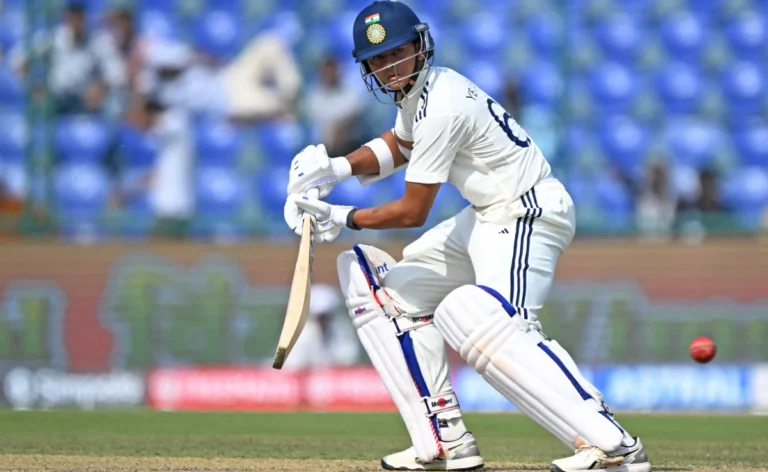
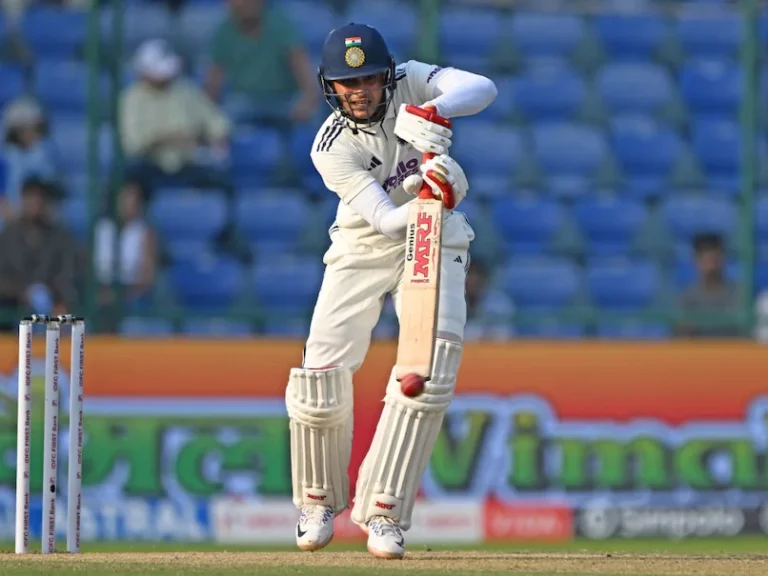
- Frontfoot Play: Involves stepping forward to the pitch of the ball. Typically used for full-length deliveries or drives.
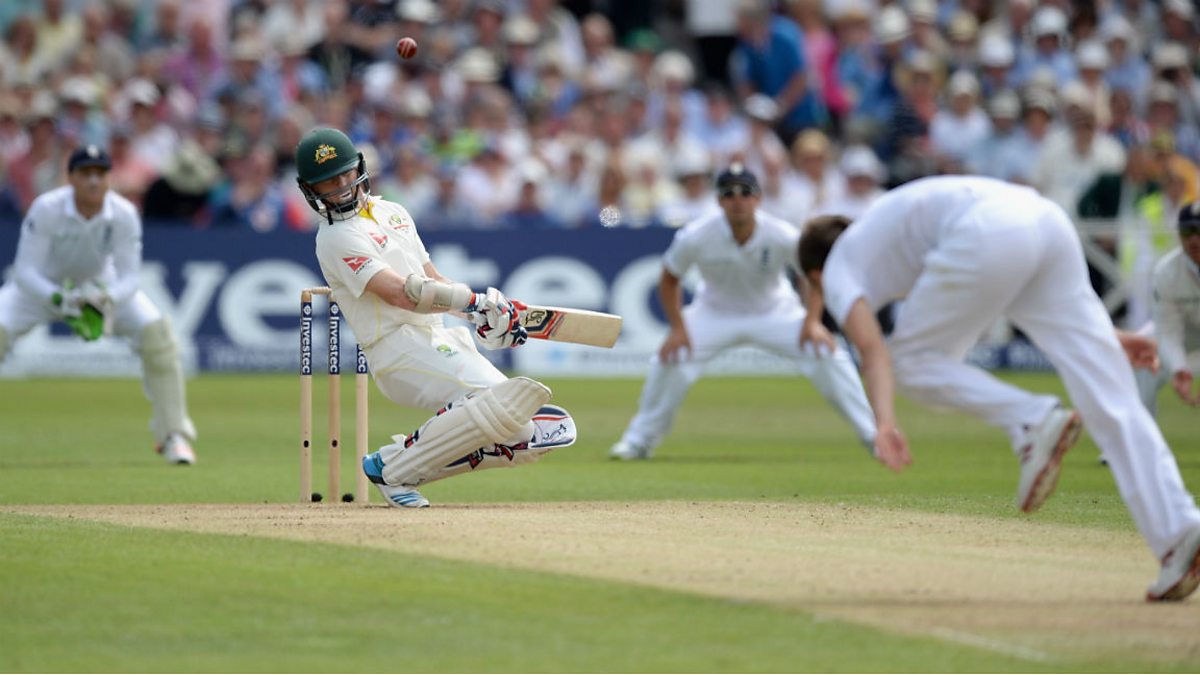
- Backfoot Play: Involves stepping back and playing off the back foot. Commonly used for short-pitched or bouncer deliveries.
Mastering both allows batters to handle all lengths effectively, giving them flexibility against different bowlers.
1. The Importance of Footwork
Footwork is the foundation of batting technique:
- Ensures balance and stability for every shot.
- Helps adjust to swing, seam, and spin.
- Improves timing and shot accuracy.
- Reduces the risk of edges, mistimed shots, or dismissals.
Without proper footwork, even the best shots can fail, especially in high-pressure scenarios.
2. Frontfoot Play Techniques
Frontfoot play is mainly used against full-length balls and allows batters to dominate the bowler. Key aspects include:
- Step Forward: Transfer your weight onto the front foot while keeping the head over the ball.
- Drive with Precision: Execute classic shots like cover drive, straight drive, or on-drive.
- Soft Hands: Ensures better control and reduces chances of catching edges.
- Balance: Keep your knees slightly bent and eyes level to maintain stability.
Frontfoot play allows batters to attack scoring opportunities and control the innings’ tempo.
3. Backfoot Play Techniques
Backfoot play is effective against short-pitched deliveries and faster bowlers:
- Step Back: Move your back foot towards the stumps to create room for control.
- Pull and Cut Shots: Ideal for scoring off short balls on leg side or off side.
- Head Over the Ball: Ensures balance and prevents top edges.
- Quick Reflexes: Backfoot shots require faster reaction time than frontfoot strokes.
Mastering backfoot play lets batters handle bouncers and surprise short deliveries effectively, maintaining composure and scoring opportunities.
4. Read the Bowler’s Length
- Identify full, good, and short lengths early.
- Frontfoot for full-length deliveries; backfoot for short or bouncy balls.
- Adapting to length ensures efficient shot selection and reduces risk of dismissal.
Good reading of the ball allows fluid transition between frontfoot and backfoot play.
5. Combine Footwork with Timing
Footwork alone is not enough; timing is critical:
- Step early and judge the pace and bounce.
- Connect at the sweet spot of the bat for maximum control and power.
- Avoid rushing; even with perfect footwork, mistimed shots can lead to dismissals.
Timing combined with proper footwork makes batting consistent and reliable against all bowlers.
6. Adapt to Spin and Pace
- Against spin bowling, frontfoot helps smother turn, while backfoot allows cutting or pulling.
- Against fast bowling, backfoot allows handling bouncers; frontfoot is for drives on full deliveries.
- Adjusting footwork according to the bowler and pitch conditions is crucial for long innings.
Versatile footwork allows batters to score efficiently across formats and conditions.
7. Footwork Drills for Mastery
- Shadow Batting: Practice frontfoot and backfoot movements without a ball.
- Net Practice: Focus on step forward or back depending on delivery length.
- Use Cones or Markers: Improve precision in stepping and positioning.
- Reaction Drills: Practice short-pitched deliveries to enhance backfoot reflexes.
Regular drills help internalize movement patterns and improve instinctive reactions during matches.
8. Common Mistakes to Avoid
- Early or late foot movement: Leads to mistimed shots.
- Lifting head: Causes imbalance and edges.
- Overreaching: Reduces control and increases dismissal risk.
- Ignoring the ball’s length: Poor shot selection and ineffective footwork.
Correcting these mistakes ensures consistent performance against all types of bowling.
9. Learn from the Experts
- Sachin Tendulkar: Master of both frontfoot drives and backfoot cuts.
- Rahul Dravid: Exceptional balance and adaptability in footwork.
- Steve Smith: Unorthodox but precise footwork against spin and pace.
- Virat Kohli: Combines aggression and timing with perfect foot placement.
Observing top batters teaches footwork timing, shot selection, and adaptability.
Conclusion
Mastering frontfoot and backfoot play is essential for any serious cricketer. Proper footwork improves balance, shot execution, and scoring consistency, allowing batters to handle all types of bowling effectively. By practicing techniques, reading the bowler, combining timing with movement, and learning from legends, batters can elevate their game and build big innings across formats.
Footwork is not just a skill—it is the heartbeat of batting mastery, ensuring every shot is executed with precision, power, and control.
About the Author