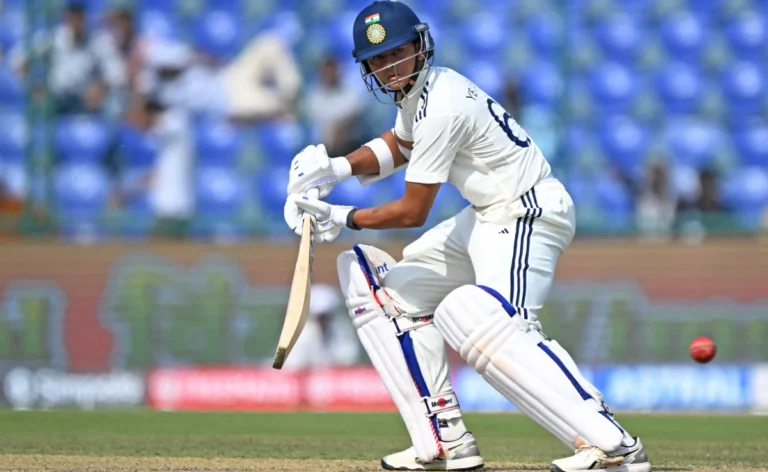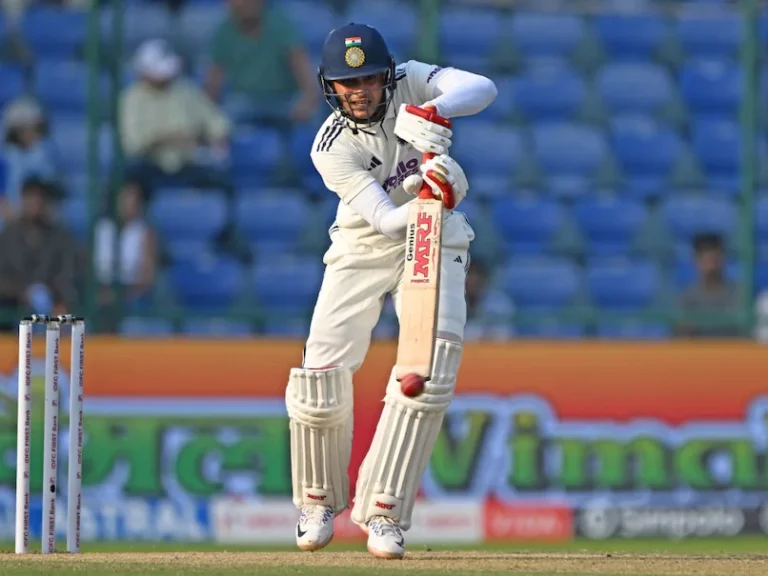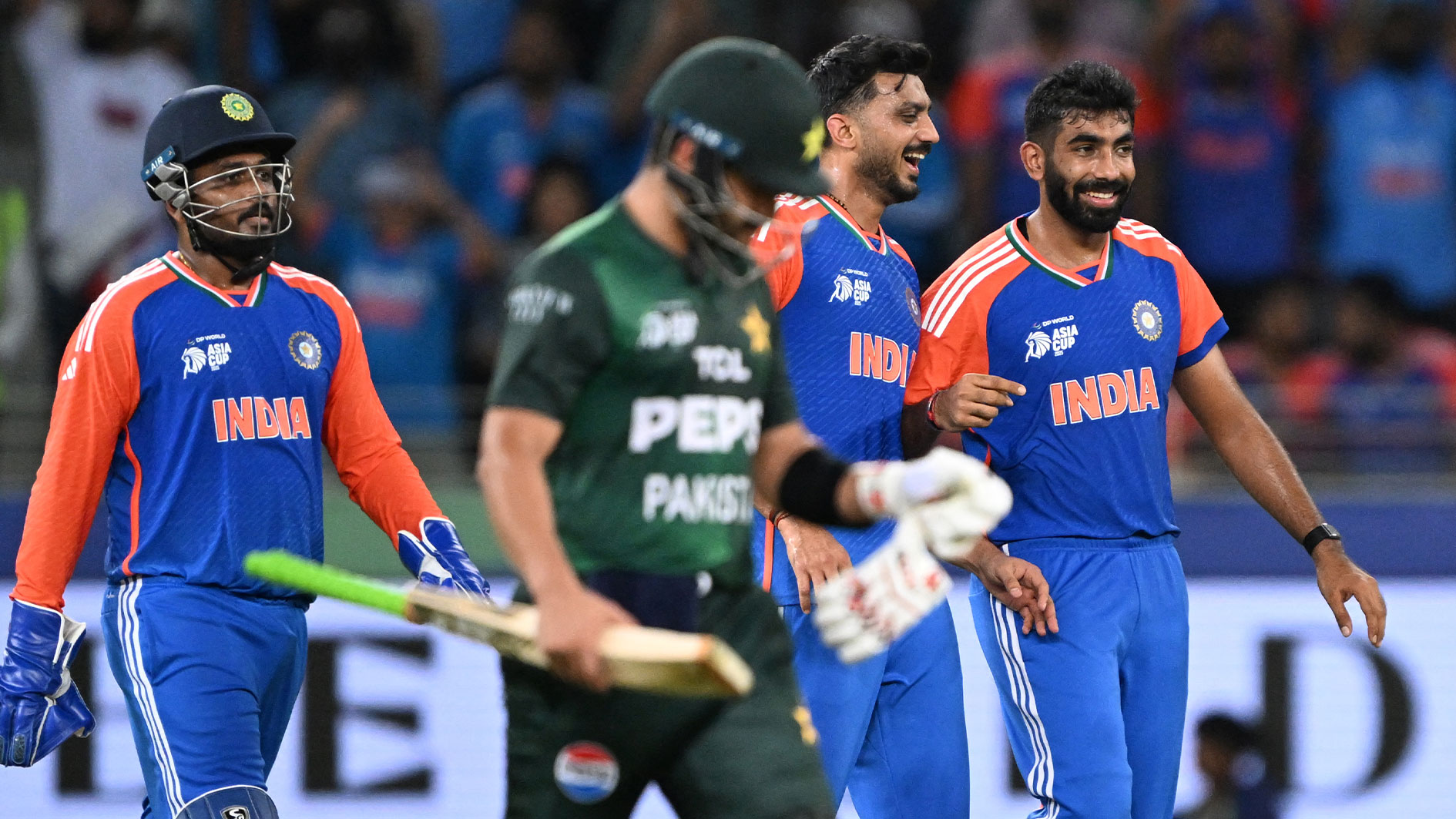
T20 cricket has revolutionized the way the game is played. With its fast pace and high scoring, power-hitting has become a crucial skill for batters aiming to dominate the format. Unlike Tests or ODIs, T20 rewards aggression, timing, and precision, turning a single over into a game-changing moment.
In this blog, we uncover the secrets of power-hitting in T20 cricket, from technique to mental strategies, helping batters maximize their scoring potential.
1. Master Your Stance for Power
The foundation of power-hitting starts with a balanced and strong stance:
- Feet shoulder-width apart for stability.
- Slightly bent knees to generate explosive power from the legs.
- Head and eyes aligned with the stumps to track the ball accurately.
A proper stance ensures balance and control, enabling batters to execute big shots without losing stability.
2. Perfect Your Grip
- Hold the bat firmly but flexibly to allow wrist rotation.
- Strong top-hand control ensures directional accuracy.
- Bottom-hand assistance adds extra power in lofted shots.
A flexible yet controlled grip allows batters to generate maximum power while keeping shots along the ground or in the air.
3. Use Your Legs for Power
- Power-hitting is not just about arm strength—it comes from leg drive and hip rotation.
- Transfer weight from the back foot to the front foot during drives.
- Quick foot movement helps get into position for hitting every type of delivery.
Strong leg drive adds distance and height to shots, making boundaries easier to achieve.
4. Timing Over Strength
- Many beginners focus solely on swinging hard, but timing is more important than brute force.
- Connect with the ball at the sweet spot of the bat for maximum distance.
- Good timing allows batters to hit big without losing balance or control.
Even the most powerful hitters rely on technique and timing rather than just raw strength.
5. Select the Right Shots
- Pull and hook shots: Effective against short-pitched deliveries.
- Straight drives and lofted drives: Ideal for full-length balls.
- Scoop and ramp shots: Useful for unpredictable deliveries and field gaps.
- Inside-out shots: Can target unconventional areas for runs.
Choosing the appropriate shot for each ball ensures consistent scoring and reduces risk of dismissal.
6. Read the Bowler and Field
- Identify the bowler’s pace, line, and length early.
- Watch for variations like slower balls, yorkers, and bouncers.
- Adjust shots according to field placement to exploit gaps.
Smart power-hitting is not random aggression; it is calculated and strategic, making batters unpredictable.
7. Practice in Match Scenarios
- Simulate high-pressure situations in nets.
- Practice hitting all types of deliveries at match pace.
- Include boundary drills, hitting under fielding restrictions, and finishing scenarios.
Repetition in realistic scenarios builds confidence, reflexes, and shot execution under pressure.
8. Mental Approach for Power-Hitting
- Aggression requires controlled confidence, not recklessness.
- Focus on one delivery at a time, especially in the powerplay or death overs.
- Stay relaxed; tension can affect timing and footwork.
Top T20 batters like Chris Gayle, Andre Russell, and Rohit Sharma excel because of their mental calmness under pressure.
9. Use Innovations and Unconventional Shots
- Modern T20 cricket rewards creativity:
- Switch hits to exploit bowler’s field setup.
- Reverse sweeps to rotate strike.
- Ramp shots against fast bowlers or fielders at short leg.
- Innovation confuses bowlers and maximizes scoring opportunities.
Unconventional shots are tools for aggressive yet smart power-hitting.
10. Fitness and Strength Training
- Core strength improves bat swing speed and stability.
- Upper body and forearm exercises help generate maximum bat power.
- Agility and quick reflexes improve footwork and shot execution under pressure.
Fitness directly translates to consistency and effectiveness in power-hitting, especially in the fast-paced T20 format.
Famous Power-Hitters in T20 Cricket
- Chris Gayle (West Indies): Legendary for explosive long innings and six-hitting ability.
- Andre Russell (West Indies): Known for finishing matches with sheer power.
- Rohit Sharma (India): Combines timing, placement, and power with elegance.
- Glenn Maxwell (Australia): Creative and unpredictable, excellent in all situations.
Studying their techniques reveals how timing, technique, and innovation combine for effective T20 power-hitting.
Conclusion
Power-hitting in T20 cricket is a blend of technique, timing, mental strategy, and physical fitness. By mastering stance, grip, footwork, shot selection, and fitness, batters can maximize their scoring potential and dominate matches.
Successful T20 batters combine aggression with intelligence, reading the bowler, exploiting field placements, and adapting to match scenarios. Following these secrets and learning from T20 legends can help aspiring cricketers become consistent and match-winning power-hitters in the world’s most dynamic cricket format.
About the Author