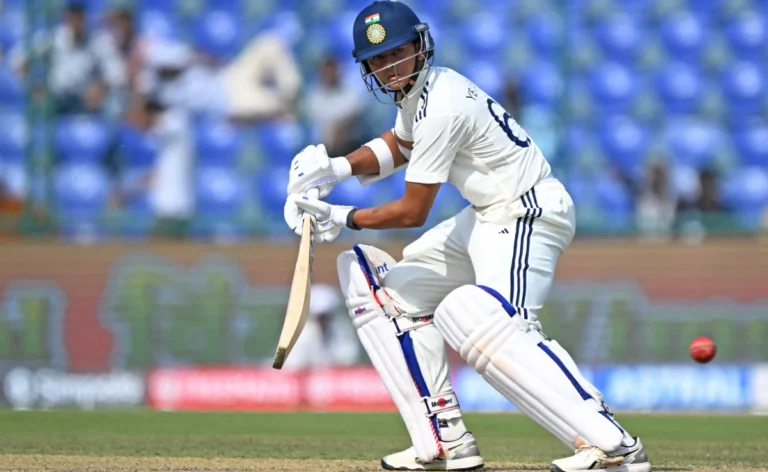
Test cricket is known as the ultimate examination of a batter’s skill, patience, and concentration. Unlike limited-overs formats, where scoring quickly is the priority, Test cricket rewards batters who can occupy the crease for long periods, build partnerships, and convert starts into big scores.
In this blog, we explore strategies, techniques, and mindset tips on how to build a long innings in Tests, helping aspiring cricketers and fans understand the art of patient batting.
1. Adopt the Right Mindset
Building a long innings starts in the mind.
- Patience is key: Long innings require focus for extended periods.
- One ball at a time: Avoid thinking about the target score; concentrate on the current delivery.
- Resilience: Prepare to face challenging conditions, aggressive bowling, and high-pressure situations.
Mental strength differentiates batsmen who fail early from those who occupy the crease for long durations. Legends like Rahul Dravid, Steve Smith, and Michael Clarke built their careers on patience and mental discipline.
2. Focus on a Solid Technique
- Perfect your stance: A balanced stance ensures comfort and stability.
- Footwork matters: Move towards or away from the ball depending on length and spin.
- Head still: Keeping your head steady helps with balance and shot accuracy.
- Soft hands: Reduces edges and lowers the risk of dismissals.
A solid technique allows batters to handle swing, seam, and spin effectively, increasing their chances of staying at the crease.
3. Start with a Defensive Approach
- Begin your innings by playing cautiously.
- Leave balls outside off-stump that are not threatening to your stumps.
- Focus on watching the ball closely and understanding the bowler’s rhythm.
Starting defensively sets a foundation for a long, steady innings without unnecessary risks.
4. Rotate the Strike
- Take singles regularly to avoid being trapped at the crease.
- Rotating strike breaks the bowler’s momentum and reduces pressure.
- Look for opportunities to punish bad balls but don’t force boundaries early.
Rotating strike keeps the batter mentally fresh and helps in building partnerships.
5. Build Partnerships
- Communication with your batting partner is essential.
- Running between wickets efficiently ensures continuous pressure on fielders.
- Partnerships allow batters to settle into innings confidently, share responsibility, and rotate scoring opportunities.
Long innings often come from collective batting efforts rather than solo performances.
6. Adapt to Conditions
- Study the pitch before and during your innings.
- On green or seam-friendly tracks, prioritize defense and leaving balls outside off-stump.
- On turning tracks, use soft hands and precise footwork to counter spinners.
- Adapt to weather and light conditions; overcast or humid conditions can enhance swing.
Reading conditions helps reduce mistakes and extend your innings.
7. Pace Yourself Physically
- Long innings require stamina and endurance.
- Maintain proper hydration and energy levels with water breaks and light snacks.
- Focus on breathing and staying relaxed to avoid fatigue affecting concentration.
Physical fitness is as important as mental toughness for long and impactful innings.
8. Capitalize on Loose Deliveries
- Patience doesn’t mean passivity.
- Look for bad balls to score boundaries, punishing loose deliveries.
- Timing and precision are crucial; over-aggression early can lead to dismissals.
Strategically punishing weak deliveries allows batters to accelerate the scoring rate without compromising their wicket.
9. Handle Pressure Situations
- Situations like recovering from early wickets or facing quality bowlers can be challenging.
- Maintain focus on building partnerships and occupying the crease.
- Avoid rash decisions; trust your technique and read the game carefully.
Long innings often require managing mental pressure as much as physical challenges.
10. Learn From Legends
- Rahul Dravid: Known as “The Wall” for his patience, technique, and concentration.
- Steve Smith: Mastered unorthodox but effective technique to build big scores consistently.
- Michael Clarke & Alastair Cook: Perfect examples of adapting to conditions and opponents to construct long innings.
Studying their approach teaches how to combine technique, temperament, and strategy to stay at the crease for hours.
Bonus Tips for Young Batters
- Practice long net sessions simulating Test match scenarios.
- Focus on concentration drills, such as facing multiple overs without scoring excessively.
- Watch footage of big innings to understand timing, shot selection, and temperament.
Conclusion
Building a long innings in Tests is an art that requires skill, patience, and mental resilience. By focusing on technique, adopting a patient mindset, rotating strike, building partnerships, adapting to conditions, pacing yourself physically, and learning from legends, batters can convert starts into big scores.
A long innings is not just about accumulating runs—it is about setting the tone for the team, frustrating bowlers, and creating match-winning opportunities. Aspiring cricketers who follow these strategies can become dependable pillars of their batting lineup, turning every Test match into a stage for excellence.
About the Author