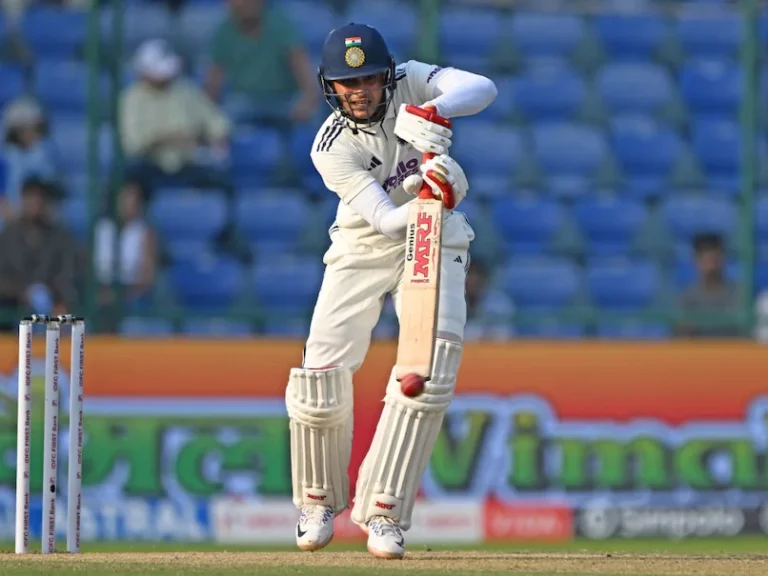
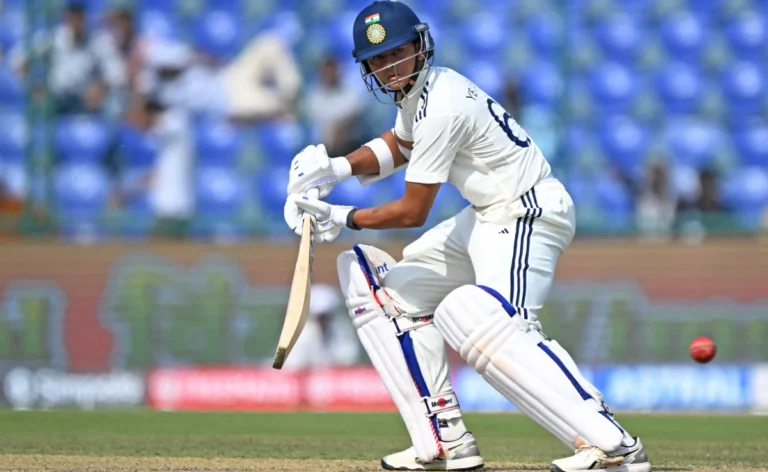
Yashasvi Jaiswal’s Costly Mix-Up: How a Freak Run-Out Stole Momentum—and Put Him on an “Unwanted” List
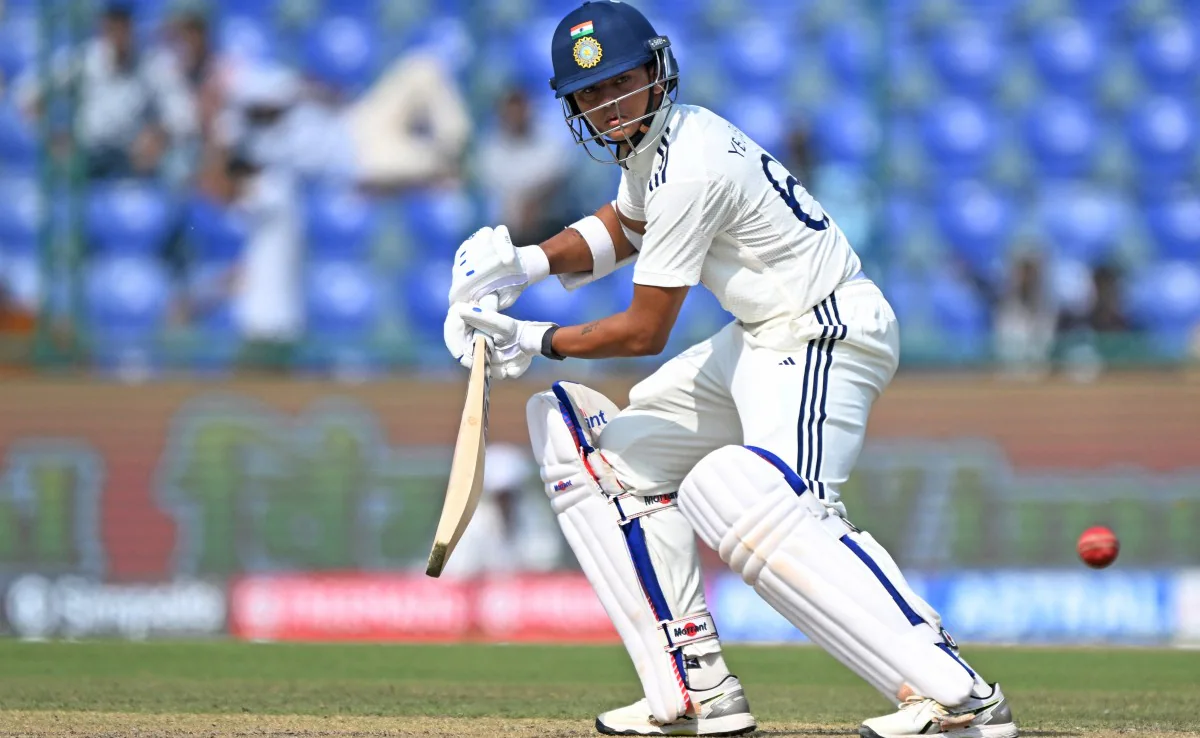
It takes only a heartbeat to undo an hour of good batting. Yashasvi Jaiswal learned that the hard way when a breakdown in communication led to a chaotic run-out—one of those moments that instantly becomes a montage clip and, unfortunately for him, a statistic that places his name alongside Rahul Dravid in an “unwanted” list of high-profile India dismissals. The tag is harsh, but that’s how Test cricket records memory: it remembers the fall, not the intent.
What made the dismissal so jarring wasn’t just that Jaiswal was set; it was the context. India had the platform, the bowlers were laboring, and the field had started to drift. This is the exact phase where great Test sides stretch sessions—nicking twos into the square pockets, turning six quiet overs into eight productive ones. Instead, a hesitant call—half a step forward, two steps back—left Jaiswal stranded, the stumps shattered, and the opposition suddenly buzzing. You could practically feel the oxygen rush back into the fielding side as replays rolled on the big screen.
Run-outs at this level rarely happen in isolation. They usually follow a sequence: a pair searching for tempo, a fielder attacking the ball harder than expected, a single that exists only if both batters read the same frame at the same time. Test cricket’s economy is cruel—one misread frame, and an entire session’s narrative can pivot. That’s what stings in this case. Jaiswal had been compiling the kind of innings that forces bowlers to try something different; instead, his wicket arrived as a gift, one the opposition did nothing extraordinary to earn.
The comparison with Dravid—one of India’s most disciplined runners between the wickets—adds an ironic twist. Dravid’s rare mishaps became famous precisely because they were rare, preserved in memory as cautionary tales about how even the most process-driven batter can be ambushed by a human moment. Jaiswal’s addition to that company shouldn’t be seen as a verdict on his judgment, but as a reminder of how fine the margins are in long-form cricket. If Rahul Dravid can wear an awkward run-out in his storied career, anyone can.
Technically, the clip will play like a coaching lesson in what not to do: the non-striker’s early shuffle, the striker’s delayed call, eyes darting between ball and partner, a split-second of uncertainty that turns a possible single into a no-man’s-land. The fixes are simple to say and hard to ingrain under pressure—louder calls, earlier commitments, sharper pre-ball communication about where the “yes” zones are. Good teams treat these not as scolding points, but as systems problems: assign the primary caller by angle, rehearse “first two balls no risk,” and define automatic “no”s to ring fields on slow surfaces.
Zoom out, and the bigger story is still favorable to India. A run-out is a momentum swing, not a match verdict. The way out is textbook: rebuild with low-risk rotation, trust the next partnership, and force the bowlers back into long spells. For Jaiswal personally, the best response is the same one elite openers have always chosen—park the clip, keep the method. His recent run has been built on reading fields, playing late, and turning pressure overs into neutral ones. One unwanted entry on a list doesn’t change the trendline of a batter learning to own Test match tempo.
There’s also a leadership angle here. The dressing room will know the difference between a reckless dash and an honest misjudgment made in the pursuit of game tempo. The message from the balcony should be steady: double down on process, keep the communication tight, and treat the incident as tuition, not trauma. If anything, the episode offers a useful mid-series reminder for the entire top order—Test cricket gives you 540 balls in a day, and the only truly bad single is the one you’re not both sure about.
In time, this run-out will file itself away as one jagged data point in a broader arc. Jaiswal’s skillset—clarity against the new ball, field manipulation in the middle, and a temperament that leans patient before it leans flashy—travels well. The next time a tight single tempts him, he’ll either nail it with an early, decisive call or wave it away without a second thought. That’s how good batters grow in public: one small correction at a time, even when the whole stadium is watching.
About the Author