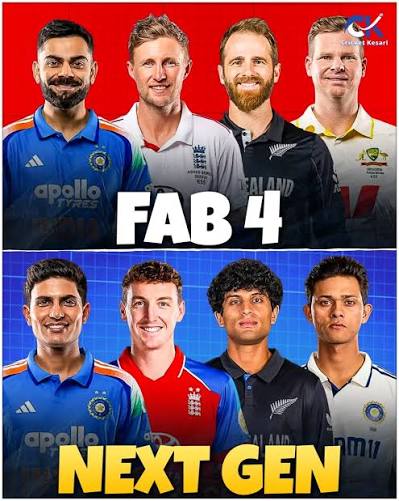
Every generation of Indian cricket produces a moment when the future suddenly stops being theoretical. In 2026, that moment arrived somewhere between a teenager winning the Orange Cap and a Test squad stuffed with names most casual fans had not heard of two years ago. Rohit Sharma and Virat Kohli are down to one format, the selectors are openly building a new-look T20 side with the 2028 Olympics in mind, and the pipeline looks scarily good. Here are five youngsters with a genuine shot at becoming the next faces of Indian cricket.
1. Vaibhav Sooryavanshi
Let us not be coy: nothing quite like him has existed before. Still in his mid-teens, Sooryavanshi did not just play IPL 2026 — he owned it, hammering 776 runs in 16 matches at a strike rate of 237 to walk away with both the Orange Cap and the MVP award for Rajasthan Royals. The rewards came quickly: a maiden T20I call-up for the Ireland tour in June and a place in India’s Asian Games squad. He also cleared a BCCI bone test amid age-related chatter, which should quiet that noise for a while. The obvious caution applies — teenage phenoms carry teenage risks, and international bowlers are already plotting their plans. But numbers like his, at that age, simply do not happen. If even seventy per cent of the promise survives contact with top-level cricket, India have found their next generational star.
2. Sai Sudharsan
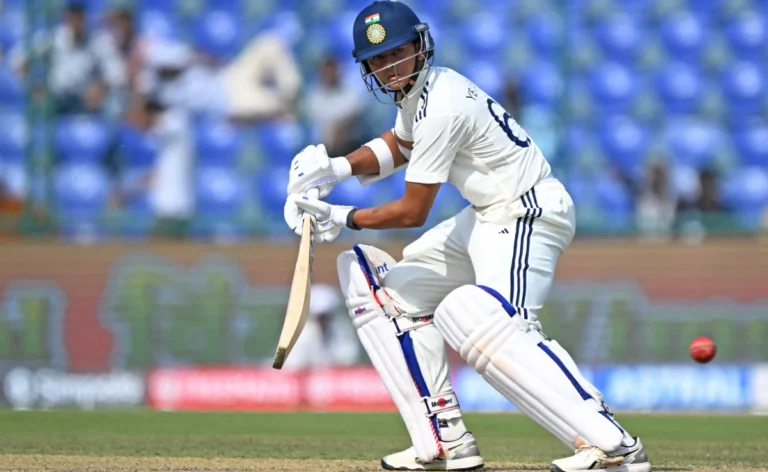
The classicist of the group. While others announce themselves with sixes, Sudharsan builds innings the old-fashioned way — balance, patience, and a top-order technique polished across long India A tours. He is in the Test squad for Sri Lanka, pending a fitness sign-off from the BCCI’s Centre of Excellence, and the No. 3 spot in this evolving batting order is there to be seized. Batters of his type tend to look ordinary for a year and then indispensable for a decade. The selectors clearly believe he is on that path, and a hundred in Galle or Colombo this month would make it official.
3. Dhruv Jurel
Ask around Indian cricket about temperament and Jurel’s name comes up unprompted. He captained India A on their multi-day tour of Sri Lanka earlier this year, and he travels with the senior Test squad as the second wicketkeeper behind Rishabh Pant — which sounds like a supporting role until you remember how quickly keeping hierarchies can change. Tidy glovework against spin, a calm head in a crisis, and enough batting to be picked as a specialist if needed: Jurel is the kind of cricketer teams end up trusting with the hard jobs. His time is coming, possibly sooner than the incumbent would like.
4. Manav Suthar
Left-arm spinners who can hold an end and still rip the odd ball through the gate never go out of fashion in Asia, and Suthar has ground his way from the domestic circuit into India’s Test squad for Sri Lanka. With Ravindra Jadeja in the final stretch of a great career and Washington Sundar unavailable for the first Test, the door is not just ajar — it is swinging. Galle, where the surface starts turning from day two, is exactly the kind of venue where an unheralded spinner becomes a household name in a single afternoon. Suthar has the tools, and now the opportunity, to be that story.
5. Auqib Nabi
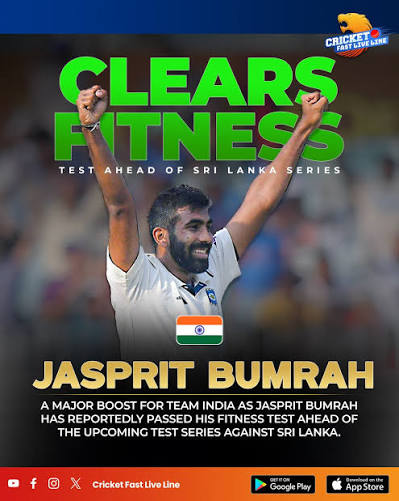
The romantic pick, and possibly the most significant one. When Jasprit Bumrah was ruled out of the Sri Lanka Tests, the selectors did not reach for a familiar name — they called up Nabi, a fast bowler from Jammu and Kashmir, on the back of relentless domestic performances. That decision tells you two things: the scouting net now genuinely covers the whole country, and the pace-bowling succession plan is being written in real time. Fast bowlers from outside the traditional centres have transformed Indian cricket before. If Nabi takes his chance whenever it arrives, his story could become one of the best this sport has produced in years.
The bigger picture
Five names, five very different routes to the top. Some will stall along the way — that is simply how player development works — but the sheer variety on this list, from a teenage six-hitting machine to a quick from Jammu and Kashmir, says everything about how far Indian cricket’s talent map has expanded. With a settled selection committee, a busy calendar through the Asian Games and beyond, and senior spots opening up format by format, opportunity will not be the problem for this lot. The superstars of 2030 are already in the system. Chances are, we have just named a few of them.
About the Author