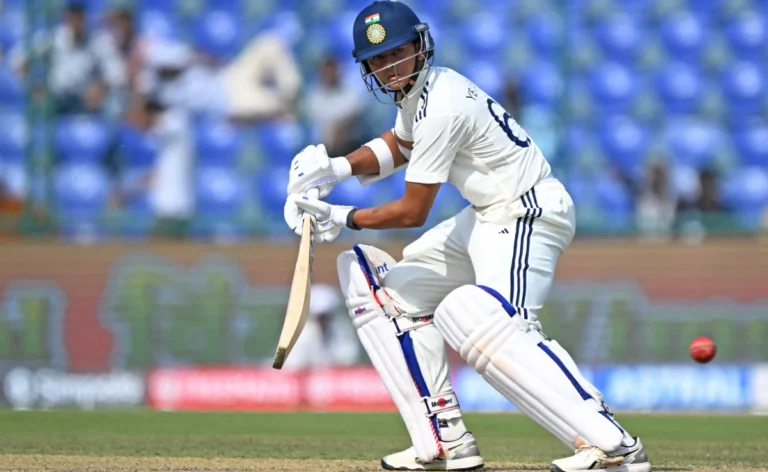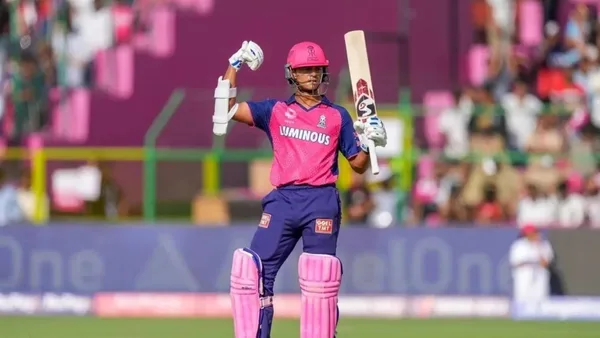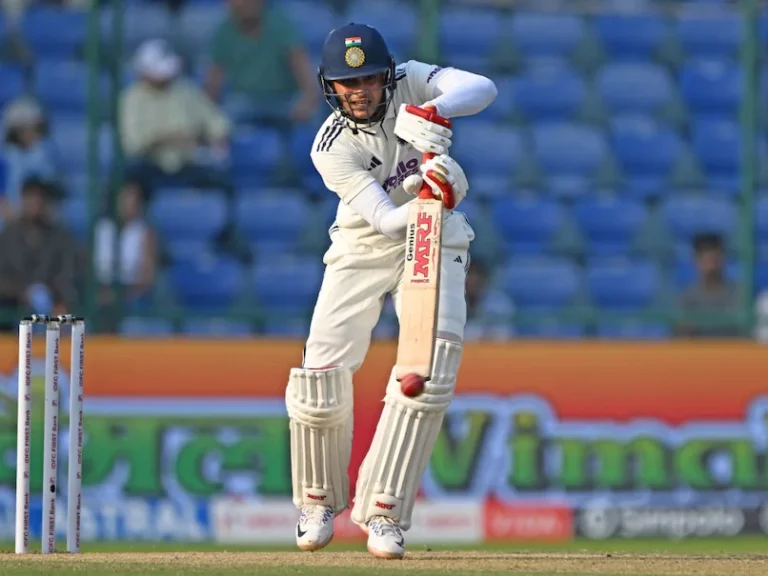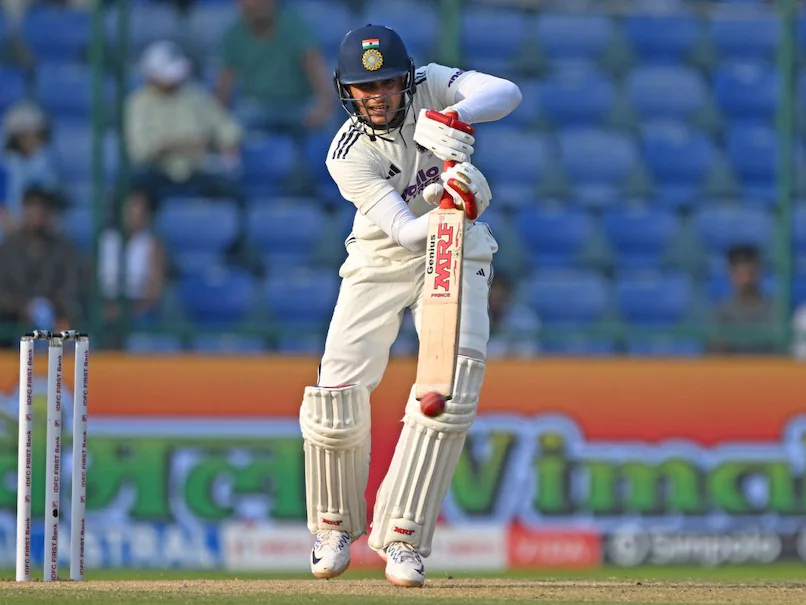
Day 2 belonged to patience, pattern, and well-timed pressure. India walked in with a platform and walked out with authority, riding a top-order anchored by Yashasvi Jaiswal and a middle order that understood the brief: add brick after brick without offering the West Indies a door back into the match. It wasn’t flashy cricket; it was the kind that drains a bowling unit over time—quiet singles into pockets, field manipulation, and the occasional boundary that arrives as the logical end to a long, controlled passage.
The morning session set the tone. India began in “no donation” mode—risk kept low, wrists soft, and eyes set on the long game. Jaiswal’s method was textbook for a surface that asked batters to earn their scoring shots: head still, bat face presented late, and a consistent refusal to chase balls that didn’t threaten the stumps. When West Indies tried to crowd the off side, he tucked behind square; when mid-on and mid-off crept wider, he threaded the check-drive. The score moved not in leaps, but in steady ticks—enough to keep pressure tilted toward the fielding side.
West Indies weren’t passive. They cycled through the right questions: cross-seam to deny true bounce, fuller lengths to hunt pads, heavy lengths with a ring field to choke the dab to third. For stretches, it worked. India had to absorb maiden overs and the odd burst of well-directed short balls that tested control above the shoulder line. But this is where India’s discipline showed. Instead of forcing release shots, the batters restarted with singles and walked the game back to their tempo.
Through the middle session, India’s engine room went to work. Rotation of strike became the headline: early-over singles that broke dot-ball chains; late-over nudges that turned good overs for the bowlers into merely acceptable ones. The field kept shifting—midwicket deeper, cover tighter, square boundaries protected—and with each move a different scoring option lit up. It was classic Test batting by committee: one partner expands the scoring arc while the other holds shape, and the bowlers are kept guessing about where the next two is coming from.
The afternoon also brought a subtle gear change. With the ball older, India began targeting the corridor just beyond the square fielder on either side, harvesting twos whenever the outfielders were flat-footed. It’s the kind of small margin that doesn’t headline a scorecard but decides sessions. India didn’t need a surge; they needed to keep the scoreboard honest while making West Indies pay for any drift in line or length. A couple of clean drives and a late cut or two were enough to remind the bowlers that tiny errors still carried a cost.
Captaincy was a quiet differentiator. India’s leadership resisted unnecessary risk, backing the set batter to bat deep while flexing the batting order to keep left-right combinations and the match-ups in their favor. When West Indies introduced changes—pace-off spells, wider lines to a packed off side—India’s response stayed percentage-driven. The result was control without stagnation, the perfect recipe for Day 2.
For West Indies, the path back remains the same: own the first 45 minutes of the next session they bowl, and find two wickets before the ball goes soft again. Their best periods came when they trusted the top-of-off length and allowed the field to do the squeezing, rather than chasing magic balls. If they can string those periods together, they’ll slow India enough to keep the final-innings equation alive. In the field, they must continue cutting off the early-over single that India have farmed so well; with the bat, later, they’ll need a blueprint heavy on leaves outside off and scoring in straight lines until the ball ages.
As for India, the playbook writes itself: ride the set batter, stack partnerships, and push the game toward a declaration position that turns every straight ball into a question under scoreboard heat. If they keep batting in gears rather than bursts, the advantage will keep widening almost imperceptibly—single by single, session by session.
By stumps, the sum was bigger than any one passage: a day defined by composure, by an opener who kept the tempo he wanted, and by a batting group that valued control over spectacle. Test matches swing on nerve as much as skill; on Day 2, India showed plenty of both. The match is still open in theory, but the balance—built slowly and deliberately—has tilted decisively their way.
About the Author