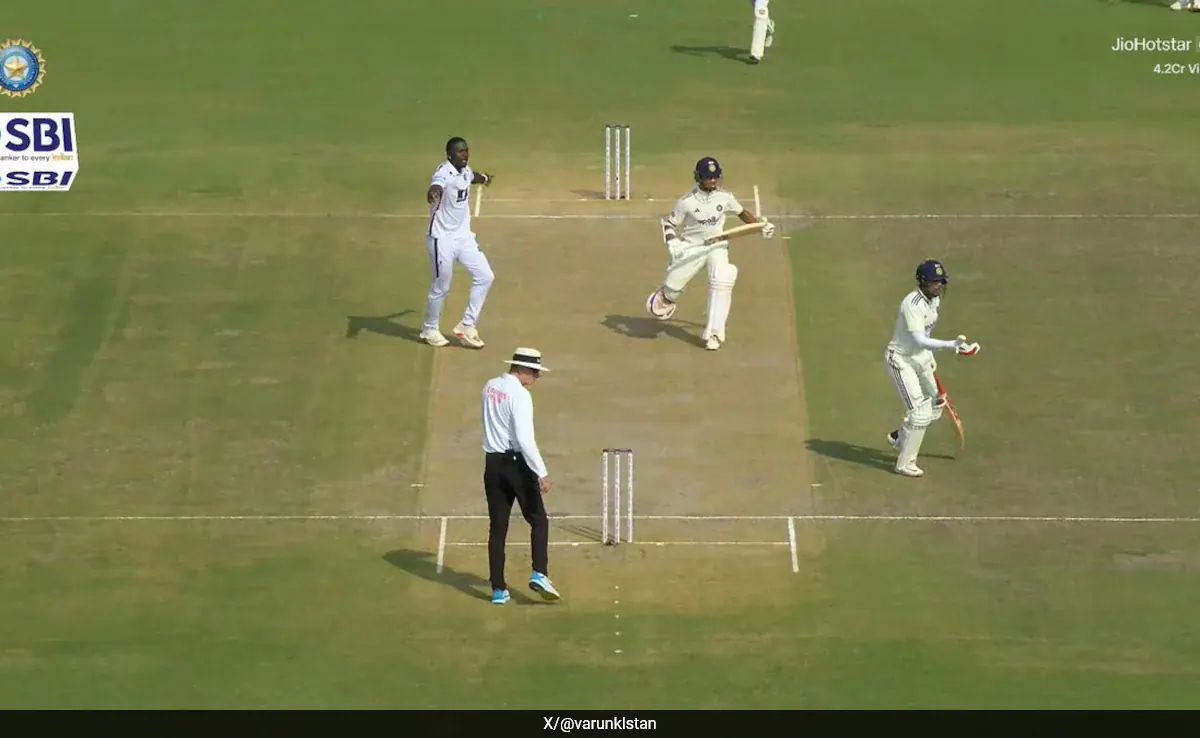
One moment of hesitation can turn a serene Test inning into a storm. That’s exactly what happened when Yashasvi Jaiswal was run out after a horror mix-up with Shubman Gill—an incident that didn’t just cost India a set batter, but also sparked a brief, animated exchange between the two at the crease. The sequence was classic cricket chaos: a softly nudged ball, an instinctive half-call, feet moving in opposite directions, and a direct hit that turned second thoughts into a scoreboard entry.
Strip the drama back and the cricketing anatomy of the dismissal is straightforward. The striker pushed into the infield with the idea of pinching a sharp single. The non-striker’s first step was tentative, then committed, then reversed—precisely the kind of “yes–no–sorry” triangle that fielders dream about. Once the throw came in clean, the die was cast. In real time, it lasted seconds; in its consequences, it weighed on the session.
The flashpoint that followed—gestures, a few words, the visible frustration—was human and, frankly, understandable. Batters invest a lot in setting up a day: surviving the new ball, reading the pace of the pitch, and building an innings brick by brick. To lose a wicket not to skill or movement but to miscommunication bites differently. Yet this is where elite sides separate emotion from outcome. A quick exchange is fine; what matters is the reset that follows.
From a tactical lens, several small habits could have prevented the mess. First, pre-ball cues: before each delivery, pairs agree on “yes zones” (angles where a tap-and-run is automatic) and “no zones” (ring fielders charging from close). Second, primary caller clarity: to the off side, the striker calls; to the leg side, the non-striker calls—no improvisation under pressure. Third, early commitment: the first two steps decide the run; hesitation after that creates precisely the half-second window a sharp inner ring needs. These aren’t lofty principles—they’re repeatable mechanics that turn mixed signals into clean decisions.
The wider innings context magnifies why the wicket hurt. India had built a platform where rotation, not risk, was the currency. Early-over singles had been stitching together low-stress overs, and the bowlers were beginning to chase magic balls. A set Jaiswal is a tempo-setter: he bends fields with placement rather than muscle, compelling captains to choose between a ring that leaks singles and a spread field that yields the odd boundary. Removing that anchor midway through a session hands the fielding side oxygen they hadn’t earned.
What about the mini-argument? In modern Test cricket, cameras see everything, but teams live with these moments all the time. A pointed look and a few sharp words can be a release valve; the key is that it ends there. Mature batting units codify the rebound: one deep breath, eye contact, a quick “my call/your call,” and back to the next ball. The worst hangover from a run-out isn’t the wicket; it’s the two overs of mental fog that sometimes follow. India’s best days are defined by how quickly they re-center.
There’s also a leadership angle. Senior players and the dressing room can use the incident as a teaching clip rather than a blame reel. The message writes itself: no freebies, especially when a Test is moving to the grind phase where every single compounds into scoreboard pressure. Assign the primary caller before the over begins, reaffirm the first-ten-balls low-risk rule after a wicket, and rehearse specific “no-single” scenarios (ringed mid-on/mid-off, ball to a preferred fielder, momentum against you).
For Jaiswal, the correction is minimal and mental: keep trusting the method that built his recent consistency—late hands, strike rotation, and field reading—but pair it with firmer, louder calling. For Gill, the adjustment is the same in mirror: early communication, unambiguous body language, and instant acceptance when a call is off. Both are high-caliber batters who rely on patterns; tightening the running pattern is simply part of the growth curve.
In the end, the mix-up is a jolt, not a judgement. Test cricket forgives a single mistake if the response is composed. If India convert the remaining partnerships with the same discipline that got them ahead, this moment will fade into footage. The lasting takeaway should be process: clear calls, clean first steps, and the humility to own a misread—then move on before the next ball has left the bowler’s hand.