After an intense stretch of limited-overs cricket, Team India now faces a new challenge—shifting gears back to the red-ball format. The upcoming Test series against the West Indies marks a return to traditional cricketing rhythm, patience, and endurance. For players accustomed to the fast pace and power-driven approach of white-ball contests, this transition is both a mental and technical reset.
The Shift in Focus
The white-ball formats—ODIs and T20s—prioritize tempo, innovation, and risk. In contrast, Test cricket demands structure, resilience, and discipline. The switch from playing short bursts of 20- or 50-over innings to grinding out sessions lasting hours requires recalibration in every department—batting, bowling, and mindset.
India’s coaching staff has already begun emphasizing longer batting drills, bowler endurance sessions, and scenario-based training. It’s not just about shot selection—it’s about rhythm, defensive balance, and decision-making under prolonged pressure.
Batting Adjustments
For batters, the difference between formats is like shifting from sprinting to marathon running.
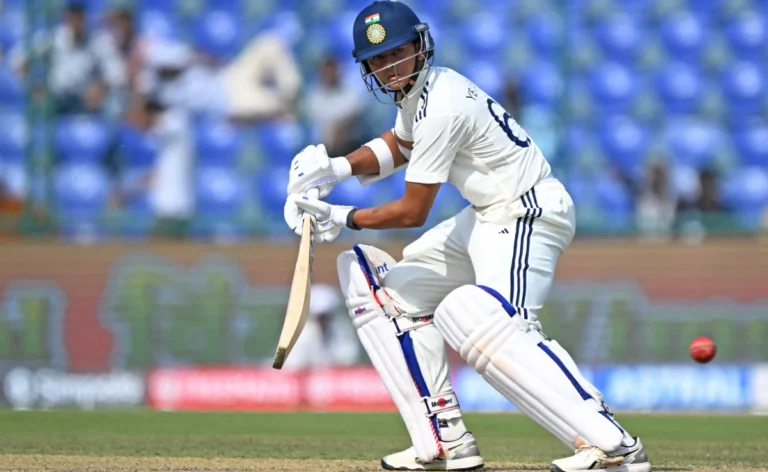
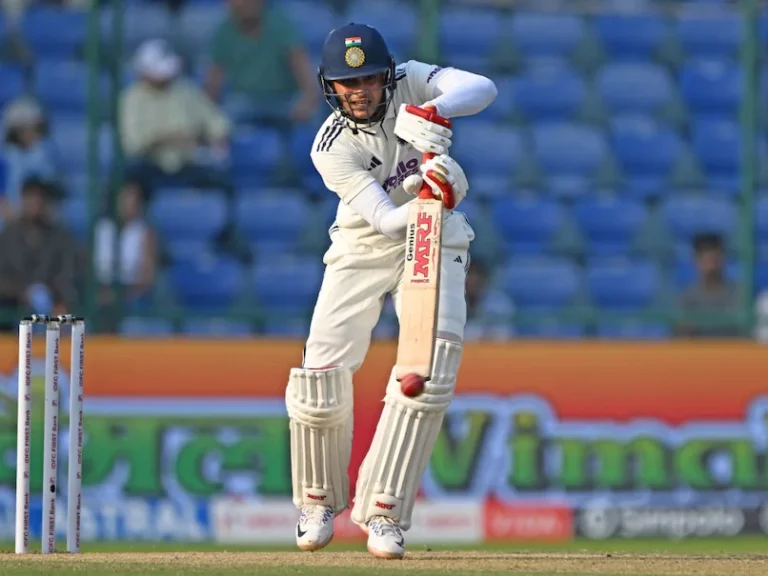
- Shot Selection and Patience: In ODIs and T20s, boundaries are essential. In Tests, survival and timing take priority. Players like Shubman Gill and Yashasvi Jaiswal are now focusing on leaving balls outside off-stump and pacing their innings.
- Footwork and Balance: Switching back to red-ball cricket means rediscovering compact footwork against swing and seam. Net sessions have been designed to mimic conditions expected in the Caribbean—slow tracks with low bounce and occasional turn.
- Middle-Order Stability: With stalwarts like Virat Kohli and Ajinkya Rahane anchoring the core, India will rely on partnerships that wear down bowlers rather than out-hit them.
This shift is especially crucial because adapting too slowly can cost valuable momentum in the first Test—a lesson learned from previous overseas tours.
Bowling Realignment
Indian bowlers also face a reset. The aggressive lengths and slower variations of white-ball cricket give way to patience and precision in the longer format.
- Seamers: Mohammed Siraj and Jasprit Bumrah (if fully fit) will emphasize consistency over flair. Line and length become their main weapons, supported by reverse swing in later sessions.
- Spinners: Ravichandran Ashwin and Ravindra Jadeja, accustomed to attacking in short bursts in T20s, must return to grinding batters down over long spells.
- Fitness and Stamina: Extended spells under humid Caribbean conditions will test endurance, making workload management essential.
India’s bowling attack has the versatility to succeed, but its execution hinges on discipline—something only red-ball match simulation can refine.
Mental Conditioning
The biggest challenge in transitioning from white-ball to red-ball cricket lies not in technique but temperament. Limited-overs cricket rewards instant results; Test cricket tests delayed gratification.
The team’s sports psychologists and performance coaches are focusing on concentration cycles, visualization, and meditation to rebuild the patience that Test cricket demands. Spending six hours on the field, with spells of silence and pressure, can drain even experienced players. Mental endurance, therefore, becomes as vital as physical fitness.
West Indies: The Opponent
While the West Indies are not the powerhouse they once were, they remain dangerous in home conditions. Their young pace attack, led by Alzarri Joseph and Kemar Roach, thrives on exploiting bounce and natural variation. On slower Caribbean wickets, India’s spinners may play a decisive role.
The West Indies team has recently focused on rebuilding through new leadership and fresh talent. For them, facing India is both a challenge and a benchmark—to measure how their red-ball project stacks up against one of the world’s most consistent Test teams.
Strategic Outlook
The Indian think tank will likely adopt a blend of experience and youth:
- Top Order: Expect Rohit Sharma and Shubman Gill to open, offering a mix of stability and flair.
- Middle Order: Kohli’s form remains key, while Rahane or Iyer could stabilize innings through disciplined play.
- Bowling Core: Bumrah, Siraj, Ashwin, and Jadeja form the likely attack—balanced for both pace and spin conditions.
The team’s preparation camps in India have focused on long practice matches, aimed at replicating five-day fatigue. This preparation underlines the seriousness of Test cricket’s comeback after months of white-ball action.
Reclaiming the Red-Ball Identity
India’s red-ball reputation is built on consistency and adaptability. Over the last decade, they have evolved from a home-dominant side to a global Test force. The challenge now is to sustain that momentum amid packed schedules dominated by limited-overs tournaments.
The upcoming West Indies series is not just about points in the World Test Championship—it’s about reaffirming India’s identity as a complete cricketing side that excels in all formats. A convincing performance here can set the tone for tougher tours ahead, including England and South Africa.
Final Thoughts
India’s switch from white-ball intensity to the nuanced grind of Test cricket represents the ultimate examination of skill and character. It’s a return to patience, precision, and perseverance—values that define the format’s essence. Against a rebuilding West Indies, the series offers the perfect opportunity to recalibrate rhythm, test combinations, and remind the world why India remains among the top red-ball nations.
For fans following every development, analysis, and player update, the Khelo Exchange platform and a verified Kheloexch Account serve as excellent hubs to stay informed, connect with fellow enthusiasts, and experience every twist in India’s Test journey with unmatched depth and engagement.